

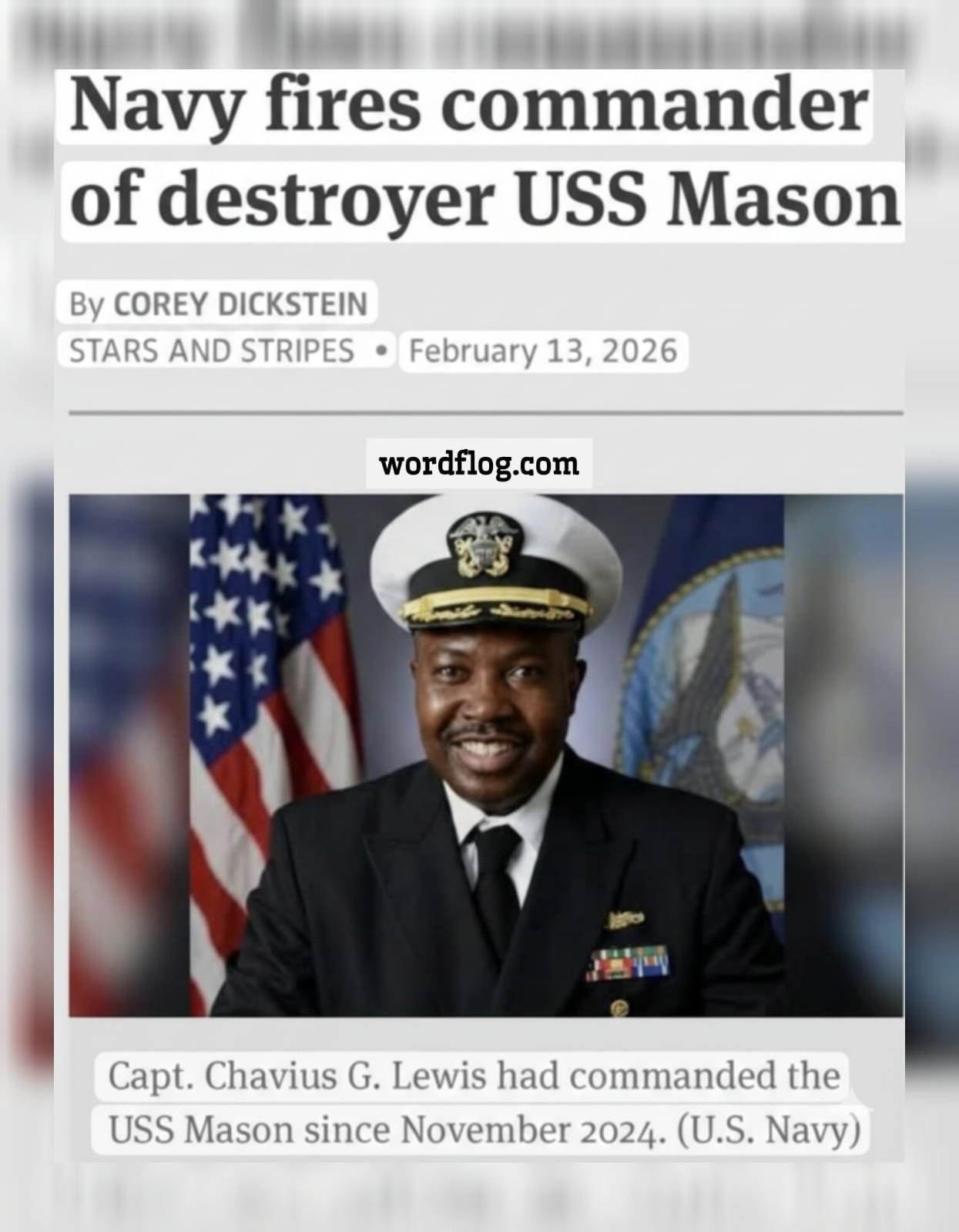
The recent firing of the commander of USS Mason has sent shockwaves through naval circles and raised eyebrows across the military community. What led to this unexpected decision? As tensions rise globally, leadership within our armed forces becomes more critical than ever. The story surrounding the dismissal offers a glimpse into the complex world of naval leadership, where every choice can have lasting repercussions.
In an era where accountability is paramount, understanding the context behind such significant actions is vital. This incident not only reflects on Commander Sean E. McDonnell but also highlights broader themes in military governance and operations. Join us as we delve into what happened aboard USS Mason and examine how this situation mirrors larger trends in naval command structures and practices.
Navy Relieves USS Mason’s Commander
The recent announcement regarding the firing of USS Mason’s commander has stirred significant interest and concern within naval circles. Commander Sean E. McDonnell was relieved of his duties following a series of incidents that raised questions about leadership effectiveness onboard the guided-missile destroyer.
Reports indicate that this decision stemmed from multiple factors, including operational readiness and crew morale. The Navy is known for maintaining high standards, and any perceived lapse can lead to serious repercussions. Commanders are entrusted with not only the safety of their ship but also the well-being of every sailor under their command.
Such decisions highlight the intricate balance between authority and accountability in military roles. The commanding officer’s ability to foster a positive environment is crucial for mission success, especially during challenging deployments where stress levels can skyrocket.
Additionally, this incident sheds light on how leadership dynamics play out in today’s naval operations. As global threats evolve, so too do expectations placed upon those at the helm of our vessels.
The significance of this event extends beyond one individual; it reflects ongoing shifts in naval culture aimed at ensuring peak performance across all ranks. As investigations unfold and more information becomes available, many will be watching closely to see how these changes impact the future course of USS Mason and its crew.
Top Stories related to Naval Leadership
Naval leadership has always been a hot topic, especially when it involves significant decisions and actions that affect crew morale and operational effectiveness. Recently, stories surrounding commanders stepping down or being relieved of their duties have surfaced frequently in the news. These incidents provide insight into the accountability measures within the Navy.
The USS Mason’s commander firing is just one example among many high-profile cases. Each story reflects how leadership dynamics can shift dramatically based on performance evaluations or incident outcomes. Commanders are expected to lead with integrity while making tough calls under pressure.
Another notable case involved a ship that faced challenges during an exercise, leading to questions about the command’s oversight and decision-making process. Such incidents remind us of the importance of transparency in naval operations, as they impact not only fleet readiness but also public trust.
Furthermore, recent reports highlight issues related to diversity and inclusion within naval ranks. Leadership changes often coincide with efforts to address these critical concerns by promoting leaders who prioritize inclusivity and mentorship for younger personnel.
These narratives underscore an evolving landscape for naval leadership where adaptability is key. As new challenges emerge—both globally and internally—the need for effective leadership becomes more pronounced than ever before.
Sources and Key Points
Understanding the circumstances surrounding the firing of USS Mason’s commander involves looking at various sources and key points that shed light on naval leadership dynamics.
Recent reports indicate a series of issues related to operational readiness and decision-making under pressure. The Navy’s commitment to maintaining strict standards means that any perceived lapse can have serious repercussions, particularly in high-stakes environments like naval operations.
Additionally, there were discussions around team morale and communication within the ranks aboard USS Mason. Leadership is not only about making decisions but ensuring those decisions are understood and supported by all crew members. A disconnect in this area could lead to dire consequences during critical missions.
Moreover, public sentiment plays a role too. With increasing scrutiny over military conduct, commanders must navigate their roles with an eye toward both effectiveness and accountability. This incident serves as a reminder that leadership in the navy demands resilience and adaptability.
Various media outlets also highlighted how similar incidents reflect broader trends within military organizations, emphasizing the necessity for strong managerial practices amidst evolving challenges.
As we analyze these factors together, they paint a picture of why effective leadership is crucial in maintaining operational excellence in the Navy today. The implications extend beyond USS Mason; they resonate throughout naval forces globally—showing just how vital proper command structure truly is.
